

Pangender definition
A pangender person may feel like they have only one static identity that encompasses all genders at the same time or shift between their different genders over time.
The basics
As we know, there are countless genders with no maximum limit. Hence, some pangender people may even experience having genders not currently recognized or known.
There’s also the term a similar meaning - maxigender. According to some Tumblr users who refute the term “pangender”, it’s impossible to experience all genders at the same time, therefore the “maxigender” word should be used instead because it’s more correct.
But some other people think that if one may want to have a cookie, an apple, a cake, a chocolate bar, and ice cream at the same time, a person can also experience all genders simultaneously.
Sometimes, “omnigender” is used as a synonym for pangender, too. According to other sources, omnigender means someone experiencing almost all genders.
If a pangender person’s gender fluctuates, they can also be genderfluid or genderflux.
The origin of the term "pangender" and some history
The prefix “pan-” in the term pangender comes from a Greek word that means “all”. The use of the word pangender goes back to the 90s. The term was mentioned in the preface to The Flock, a 1992 book by Lynn Wilson: "Some gender-nonconforming individuals call themselves androgynes, pangender, or non-binary.»
Pangender was mentioned as one of many valid nonbinary identities in the text Sexuality and Gender for Mental Health Professionals: A Practical Guide, published in 2013.
In the sci-fi thriller novel Zero-G: Book 1 by the authors William Shatner and Jeff Rovin, the character Adsila Waters is described as "pan-gender". "She" and "he" pronouns are alternately used for Adsila.
Currently, in 21 US states, "X" gender markers are allowed on official documents. The "X" gender is used for all non-binary gender identities, including pangender.
What are the differences between pangender, polygender, multigender, genderfluid?
Pangender, as we mentioned above, is pangender people feel like they belong to all genders - all at once or shifting between them. The terms pangender and polygender are similar but the difference between them is that polygender is a person who experiences multiple genders (but not necessarily all of them).
Multigender is a term that is used to describe someone who experiences having multiple genders, usually more than two.
A genderfluid individual's gender, obviously, is fluid, and it switches between two or more genders either gradually or suddenly. A person who describes themselves as genderfluid and moves between all genders may self-identify as both genderfluid/pangender or polygender. Other genderfluid people might switch between some specific genders only - for instance, male and agender.
Flag and symbols

Here’s what they symbolize:
Light yellow - abinary (gender without reference to the binary);
Light red - a transition to genders related to the masculine and the feminine;
Light pink - a combination of the feminine and the masculine;
White - a mix of all those genders.

The blue and the pink symbolize the binary genders. The yellow stands for identities that are outside of the gender binary. The white symbolizes being accepting of all peacefully.
The pangender symbol, whose author is unknown, stands for the male and female symbols (a cross and an arrow) put together on the bottom and a letter X that looks like an asterisk on top:
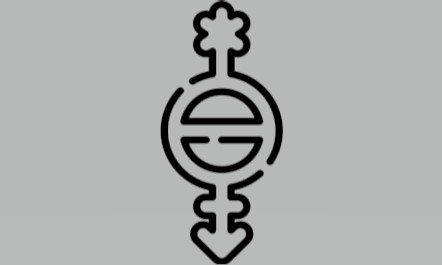
Since non-binary genders are officially called X, as previously mentioned, it’s only logical that it was used to create the pangender symbol.
What pronouns should be used to address pangender people?

Just like individuals with any other gender identity, pangender people can choose any set of pronouns they’re most comfortable with. A pangender individual may choose to be referred to as he/him, she/her, they/them, and/or a combination of the three, there are also many gender-neutral neopronouns under the non-binary gender identity umbrella that pangender people may use. Here are some examples of such pronouns: per/per, ve/ver, xe/xem, ze (zie)/hir, etc.
There is no universal pronoun that all pangender people use, that’s why it’s important to ask your polygender coworker, friend, or family member what pronouns they use.
Coming out as pangender
Each and every pangender coming out experience is unique. It can take people years to come out to themselves. Once they self-identified as pangender and developed a strong feeling of self-acceptance, they are ready to come out publicly.
It takes courage because not all people will welcome the news immediately. The chances are high that some people, maybe even most people, might have a less positive response or take longer to accept that. Even though coming out can be a challenge, it’s also very liberating. It is the first step to living authentically as themselves.
What is the best way to support pangender people?
Humanity has come a long way in strengthening all non-binary (including pangender) people’s rights. There’s a large number of organizations around the world that provide legal assistance and healthcare to pangender people. However, many pangender people are still facing social, legal, and health discrimination. It means that there is still a lot of work to do to make sure everybody feels safe expressing their gender identity.
It can be hard to figure out the best way to show support your pangender friends, coworkers, or family, so these tips can come in handy:
- Listen to them closely when they share your experience: if a pangender person decided to share their story with you, it means they trust you enough. Prove you deserve their trust.
- Learn to "speak their language" - find out the meaning of the terms like "non-binary", "pangender", etc. A lot of resources with all the necessary information are available. Do some research on your own because sometimes it may be inappropriate to ask too many personal questions about their gender identity or sexuality.
- Practice allyship: being an ally of a pangender person means being consistent at noticing and challenging hostility and ignorance in the world around you. Remember that pangender individuals count on people like you to help them make this a safe and friendly world for people of all gender identities.