

Male-to-female definition
MTF individuals usually prefer feminine gender expression (by wearing makeup, dressing in an explicitly womanly way, etc.), but some of them choose an appearance that is not clearly feminine.
The process for understanding, accepting, and eventually expressing one’s male-to-female gender identity is called a transition. There are medical and non-medical options for transitioning.
The truth about male-to-female transition
Medical options for MTF individuals in transition are as follows:
- Feminizing hormone therapy (estrogen and anti-androgen therapy);
- Surgery or multiple surgeries (facial feminization surgery, breast augmentation, gender confirmation surgery).
Some male-to-female people in transition use hormone therapy, some undergo surgery, some others get both.
One of the most common myths about MTF people is that all of them desire and prioritize hormone therapy and gender-affirming surgeries to go through a full medical transition. Let us debunk this myth - many male-to-female individuals choose to transition without using any hormones or surgery.
This group of people chooses non-medical options that include the following steps:
- Changing the way they dress, their name, the way they carry themselves, and choosing how they feel most comfortable expressing their gender identity;
- Talking to a counselor (psychotherapist) and using professional guidance to deal with issues MTF people may face;
- Seeking support in transgender justice organizations and communities.
Flags
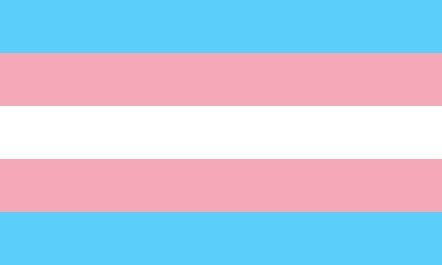
Most MTF people use the first and the most prominent and popular transgender flag which was designed in 1999 by Monica Helms, a trans woman from the USA. It consists of five horizontal stripes. Their colors, from top to bottom, are the following: light blue, pink, white, pink, light blue. The two light blue stripes symbolize men since light blue is traditionally used for boys, the two pink ones represent women because pink is girls’ color. The central white stripe stands for people who are in the process of transitioning, genderless, intersex individuals, and people whose gender is neutral or undefined.
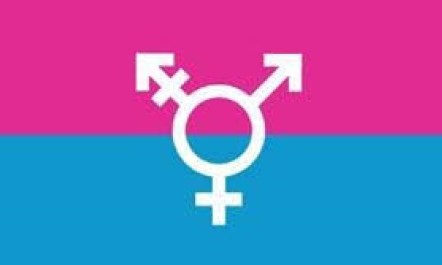
Some Canadian male-to-female people prefer the so-called Trans Flag created by graphic designer Michelle Lindsay in Ottawa in 2010. It has two stripes. The top is in sunset magenta and it symbolizes the feminine, and the bottom is in ocean blue, and it stands for the masculine. Female, male, and male with stroke symbols put together are overlaid in the center of the flag.

In Israel, a neon green flag with the black female, male, and male with stroke symbols put together in the center, is used.
Male-to-female and sexual orientation

Some people confuse gender identity and sexual orientation. Gender identity is an individual’s inner sense of being a woman, a man, neither, or a mix of both, while sexual orientation is a repetitive pattern of a romantic/emotional/sexual attraction to people of certain gender identity. Male-to-female individuals may be romantically and sexually attracted to men, women, people of any other gender, or not attracted to any gender at all.
What pronouns should be used?

There is a variety of pronouns people of different gender identities use. Male-to-female people who feel like they’re females, according to the logic, should use the "she/her/hers" set of pronouns. But it may happen that they use the "they/them/theirs" or some other pronouns. Ask which set of pronouns your male-to-female interlocutor prefers and use those while talking to them.
Coming out as male-to-female
Once you have come out to yourself, you may decide to come out to others. And there are many good reasons to come out as male-to-female. Being honest about your gender identity can be a tremendous relief, it can help bridge the distance you may have been keeping from friends and family fearing they might find out.
But you should be prepared that not everybody might react positively, and unfortunately, there is no crystal ball to tell you how one or another person will take it - you will have to rely purely on your instincts. Your older family members might not be very enthusiastic about it at first, so you might need extra patience with them.
It’s probably best if the first person you tell you self-identified as male-to-female will be your close friend. Then, you can consider the options such as if, when, and how to tell others.
If you decide to come out to everybody, here are some tips on how to succeed at it:
- Think about what you want to say and how you want to say it - you might want to practice saying it out loud or write it down first;
- Join local or online support groups - sharing your insecurities with other male-to-female people can be extremely helpful;
- Avoid coming out during an argument, when you’re upset;
- Don’t worry about what people might think or say - of course, it’s natural to want others to like and accept us but some people might not meet our expectations, so just build your confidence and stop caring too much about it.
What are the best ways to show support to male-to-female people?
Sadly, many male-to-female people still suffer from discrimination. They are being constantly mocked and bullied. And what is even more alarming, a large number of MTF people experience identity-based sexual violence at some point in their lives. According to Office for Victims of Crime, 17% of all reported violent hate crimes against LGBTQIA+ people were directed against those who identified themselves as transgender, with most (11%) identifying as transgender women. Male-to-female individuals with low incomes, those who do sex work, and African American male-to-female people are at increased risk of being attacked.
Undoubtedly, these levels are shockingly high, but the good news is that you can do your part to change this! The power of small steps is incredible, so take action today to support your male-to-female coworkers, friends, or family members:
- Learn all you can about different gender identities, specifically, about MTF;
- If your male-to-female friend, coworker, or family member is changing or has already changed their name, refer to them by that new name;
- Always listen to them with empathy and respect;
- Don't let anyone you know make stupid and offensive jokes about male-to-female individuals;
- Do the best you can to be an ally - donate to transgender organizations and/or show up for the trans community to bring awareness to male-to-female people’s issues.