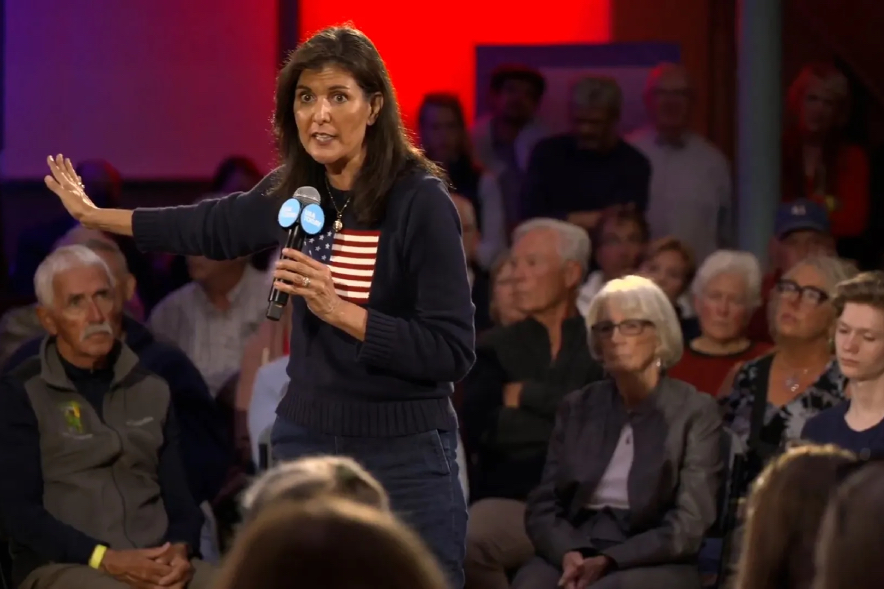
Haley, who has made opposition to trans rights a central theme of her campaign, believes that the inclusion of transgender women in women's sports undermines the achievements of cisgender women athletes. She insists that allowing biological males to compete in women's sports erases the accomplishments of women, stating, "You can’t do that. It’s the wrong thing to do and I’ll always fight against that."
Her campaign has seen repeated opposition to the LGBTQ+ community, including criticism of influencer Dylan Mulvaney and remarks suggesting that Florida’s 'Don’t Say Gay' law does not go far enough. Haley has also controversially linked teen suicide rates to transgender girls using girls’ changing rooms.
This debate takes place against a backdrop where several elite sports governing bodies have limited or banned trans women from participation. Despite these restrictions, studies have shown the positive impact of inclusion in sports for LGBTQ+ youth. However, these policies have led to more LGBTQ+ young people avoiding sports altogether.
International concern over this issue was highlighted last month when a group of UN experts urged respect for the rights of trans, non-binary, and intersex individuals in sports. They emphasized sports' role in changing perceptions and behaviors and urged elite sporting bodies to consider the broader implications of their decisions on LGBT and intersex athletes and societal perceptions.
Additionally, Wales rugby legend and HIV activist Gareth Thomas has defended the inclusion of trans athletes in sports. He emphasized that sports are about more than winning or losing, serving as a vital social and physical outlet for many.
In the race for the Republican presidential nomination, Haley trails behind frontrunners Donald Trump and Florida governor Ron DeSantis. Despite this, some speculate about her potential as a running mate for the eventual nominee, highlighting her prominence within the party and her firm stances on key issues.