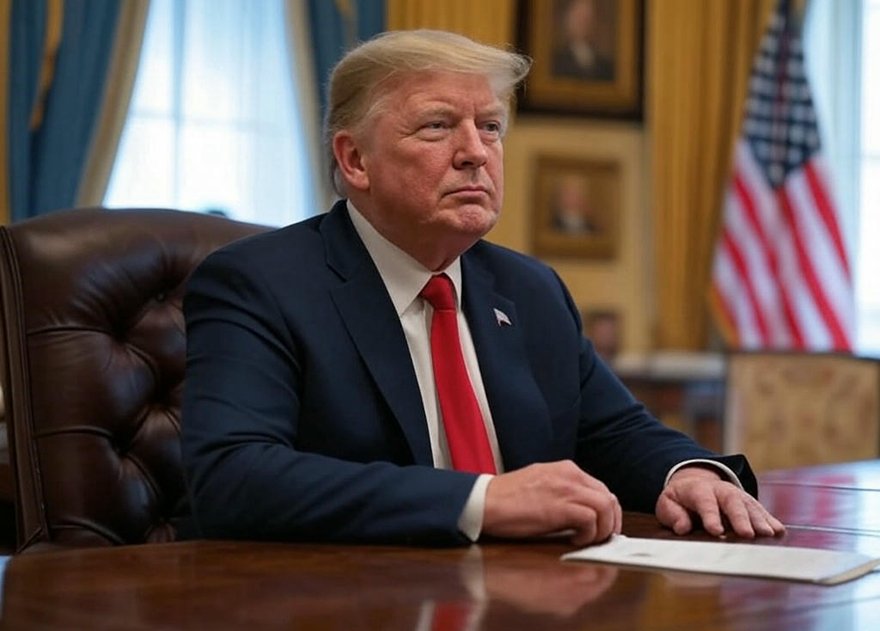
A federal judge in Maryland has put a stop to an executive order by President Trump that aimed to ban transgender healthcare for individuals under 19. Judge Brendan Hurson's ruling on February 13 in Baltimore prevents the enforcement of this nationwide ban, which was one of several controversial policies affecting the rights of the LGBTQ+ community.
President Trump, aged 78, signed this order on January 29, declaring that the federal government would not support or fund gender-affirming care for minors. This led to immediate effects across the nation, with hospitals in states like Massachusetts, Maryland, Washington, Colorado, and Virginia halting care for transgender youth, leaving many without necessary medical support.
The legal challenge to the order was brought by organizations including Lambda Legal, PFLAG, and the American Civil Liberties Union (ACLU) of Maryland, arguing that the ban was unconstitutional.
Brian Bond from PFLAG National expressed relief over the decision, stating, "Good and decent parents of transgender kids should never be in the frightening position of having their child’s prescribed, medically necessary care canceled at the whim and threat of a politician." He emphasized that the ruling corrects a significant wrong against families and children across the country.
Omar Gonzalez-Pagan, senior counsel at Lambda Legal, criticized the attempt to strip transgender youth of their rights, calling it not only wrong but beyond the legal authority of the president. He argued that decisions about healthcare should be made by patients, their families, and doctors, not by politicians.
Joshua Block from the ACLU's LGBTQ+ and HIV Project highlighted the importance of the ruling in ensuring that transgender youth can access healthcare without political interference. He urged healthcare providers who had suspended services to resume care, assuring them that they could do so without fear of losing federal funding.
This judicial decision is seen as a significant victory for the rights of transgender youth, ensuring that they can receive the medical care deemed necessary by professionals and supported by legal protections.