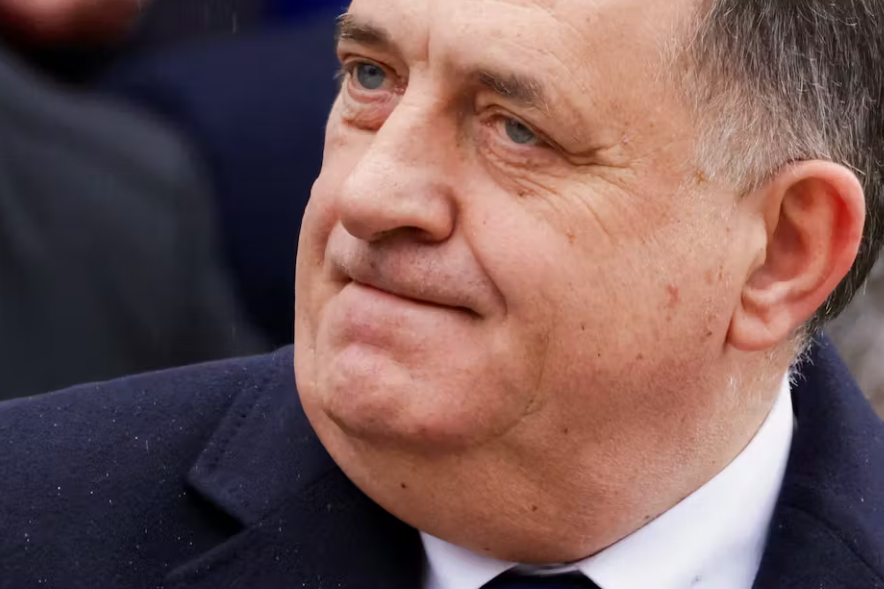
In summary, the European Union has warned Bosnia's Serb Republic over secessionist threats, which they claim are groundless and contribute to a climate of distrust and tension at a time when stability and cooperation are needed. This is happening at a time when Bosnia is making progress towards joining the EU, having been granted candidate status in mid-December. However, there are fears that laws being proposed by Milorad Dodik, the nationalist president of the Serb Republic, could undermine this progress. These laws would curtail media and personal freedoms, such as criminalizing defamation and banning LGBT organizations from educational institutions. Tobias Billstroem, the foreign minister of Sweden, has warned that if these laws are adopted, they would represent a step backwards for Bosnia-Herzegovina's European path.
Furthermore, Billstroem has emphasized that Bosnia is expected to align with the EU's common foreign and security policy, including on relevant restrictive measures against Russia. Milorad Dodik, however, maintains that Bosnia should remain neutral with regards to Russia's invasion of Ukraine and opposes any sanctions against Russia.
The situation in Bosnia is complex, with two autonomous regions, the Serb Republic and the Bosniak-Croat Federation, each with its own political and cultural identity. Russia's denouncement of Bosnia's EU candidate status is also adding to the complexity of the situation.
The EU's warning is a clear indication of the importance they place on protecting media freedom and LGBT rights, which are key values of the EU. The EU has also made it clear that secessionist threats are not acceptable and could undermine stability and cooperation in the Western Balkans region. Bosnia's progress towards joining the EU is dependent on implementing the outstanding reforms required by the EU, and any steps backwards, such as the laws being proposed by Milorad Dodik, could seriously impact their chances of becoming a member of the EU.