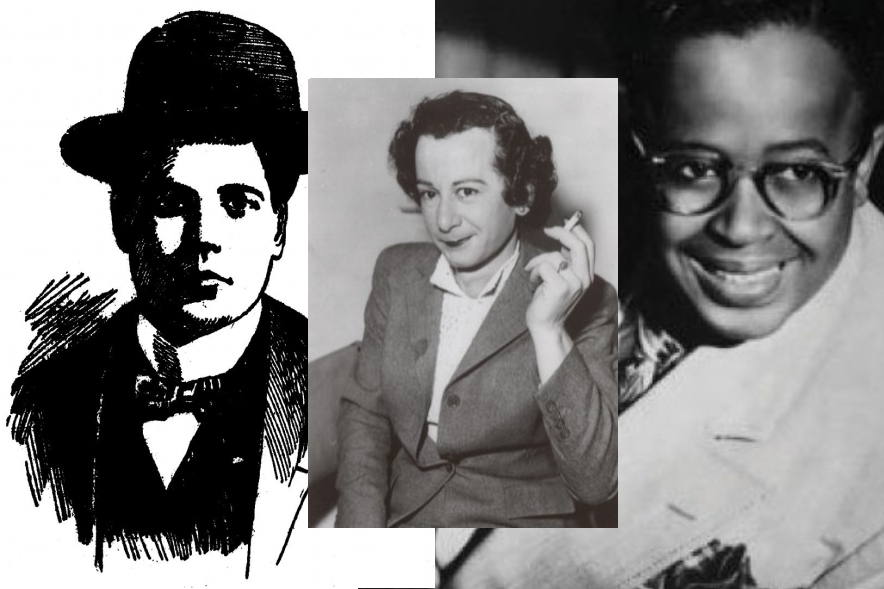
Social media platforms, often frequented by LGBTQ+ individuals, are not immune to the outdated and prejudiced view that being transgender is just a recent trend. This archaic perspective is frequently promoted by conservative figures, from political personalities like Vivek Ramaswamy, a Republican presidential aspirant, to iconic rock musicians like Alice Cooper.
Contrary to these claims, historical records show the existence of gender-diverse individuals across various cultures and continents, from India and Australia to the Americas, for many generations.
The experiences of transgender individuals have often been left untold, inaccurately portrayed, or hidden from mainstream narratives. Additionally, it's a complex task to apply modern gender identities to historical figures who lived in times before the term "transgender" was commonly recognized and who couldn't openly express their gender identity.
The lives of the following five historical figures highlight the diverse manifestations of gender diversity throughout the ages, showing that there's no one-size-fits-all approach to understanding the history of transgender individuals.
Elagabalus: The Transgender Emperor of Ancient Rome
Elagabalus, or Marcus Aurelius Antoninus, ascended to the Roman throne at the tender age of 14 in 218 AD. Although their reign was less infamous for violence compared to emperors like Caligula or Nero, Elagabalus is remembered for challenging the gender, cultural, and religious standards of their time.
Historical records, including those by Cassius Dio, indicate that Elagabalus adopted female attire and makeup and even pursued what would today be known as gender confirmation surgery. They married multiple times and openly expressed preference for male companions, often assuming a traditionally feminine role in these relationships. Elagabalus's life was tragically cut short by assassination at the age of 18.
Frances Thompson: A Transgender Trailblazer in American Politics
As a former slave, Frances Thompson made history as the first transgender woman to testify before the US Congress, particularly during the investigation of the Memphis massacre in 1866 following the Civil War.
The massacre resulted in extensive violence against the African American community in Memphis, leading to numerous casualties and widespread destruction. Thompson, a victim of this violence, showcased immense courage by speaking out against sexual violence during such a tumultuous time.
Historian Channing Joseph highlights Thompson's significant role in rallying political support for civil rights legislation for emancipated African Americans and promoting the Reconstruction era after the Civil War.
Tamara Rees: A Heroic Transformation from WWII Soldier to Trans Icon
Born in Kansas City in 1924, Tamara Rees was aware of her unique identity from a young age, feeling a strong inclination to align her physical appearance with her gender identity. She served in the paratroopers during WWII, valiantly combating Nazi and Axis forces, and received numerous commendations.
Post her military service in 1945, Rees embarked on a transformative journey, undergoing gender confirmation surgery in the Netherlands during the 1950s. She stood as a vocal advocate for compassion and understanding towards transgender individuals.
Willmer ‘Little Axe’ Broadnax: A Transgender Gospel Music Icon
Originating from Houston, Texas, in 1916, Broadnax, along with his brother William, started his journey in gospel music. They rose to prominence in the Los Angeles gospel scene, with Broadnax later joining one of the era's most prominent quartets, the Spirit of Memphis.
Broadnax's transgender identity was discovered after his death in 1992, yet his influence in gospel music endures.
Harry Allen: A Transgender Maverick of the Early 20th Century
Recognized as a charismatic, yet controversial figure in the Pacific Northwest from 1900 to the 1920s, Harry Allen, also known as Harry Livingston, was born in Indiana in 1882. From an early age, Allen identified as male and led a life marked by various professions and occasional run-ins with the law.
Allen was also known for his romantic relationships, including a notable 1908 incident involving two women from Seattle. His life, a testament to living authentically against societal norms, frequently attracted media attention. Allen passed away in 1922, having lived a life challenging gender norms of his era.