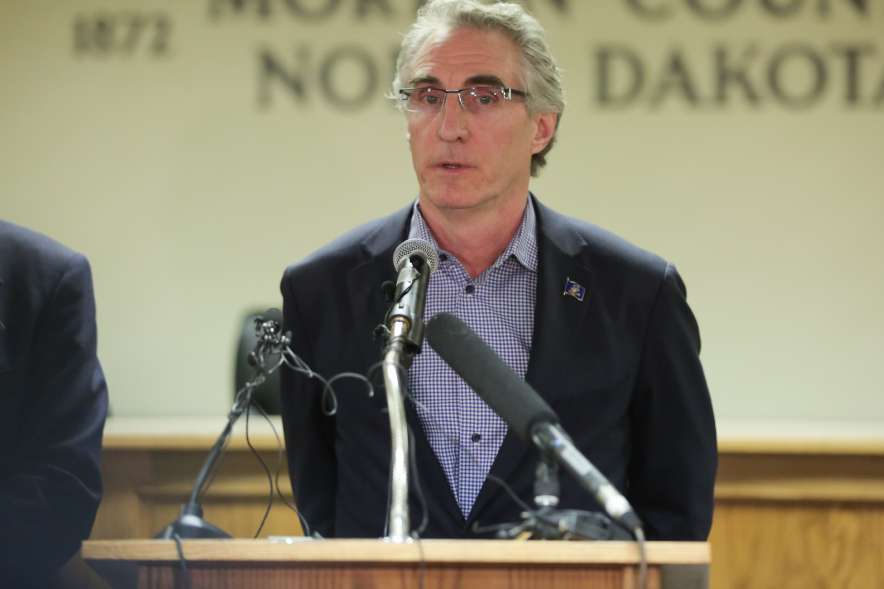
North Dakota Governor Doug Burgum signed two bills into law on Tuesday, effectively banning transgender girls and women from joining female sports teams in K-12 and college. At least 19 other states have imposed restrictions on transgender athletes, and Republican lawmakers across the US have introduced hundreds of laws this year to push back on LGBTQ+ freedoms, particularly targeting transgender individuals in everyday life, including sports, healthcare, bathrooms, workplaces, and schools.
Lawmakers in the House and Senate passed the bills with veto-proof majorities this year, and if the governor had vetoed or refused to sign the bills, they would still have become law. Burgum justified his decision, stating that "there still has not been a single recorded incident of a transgender girl playing or entering the process to even ask to play on a North Dakota girls’ team." Despite this, the legislature has "resoundingly determined" that additional restrictions on girls' sports should be enshrined in state law.
Senator Janne Myrdal, a Republican, supported the bills, arguing that transgender participation in sports could take away scholarship opportunities from cisgender female athletes. On the other hand, Democratic Senator Ryan Braunberger spoke against the bills on the Senate floor, stating that it is a scary time for his transgender friends and family. He added that he has talked to several of his family members who do not want to leave North Dakota, but they feel like they have to now since they don't feel safe.
It's worth noting that the Biden administration proposed a rule this month to forbid outright bans on transgender athletes, although it still faces a lengthy approval process. Additionally, in 2021, Burgum vetoed a similar bill that would have banned transgender girls from playing on girls' teams in public schools, and lawmakers did not have enough votes that year to override the veto. However, this year, they wrote new legislation to replicate and expand that bill, including at the college level.