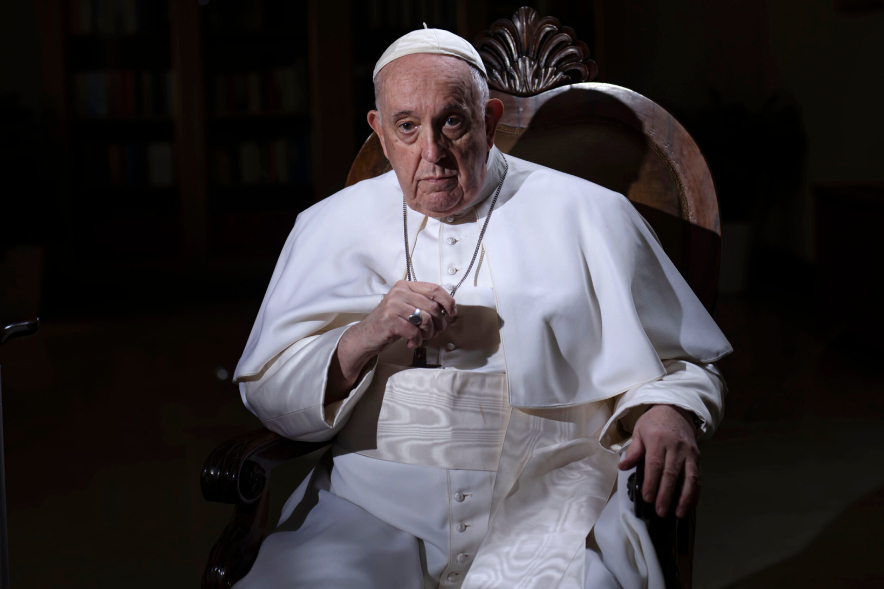
Pope Francis has made a powerful statement against laws that criminalize homosexuality, calling them "unjust." During an interview with The Associated Press, the Pope reiterated his belief that God loves all of his children, regardless of their sexual orientation, and urged Catholic bishops who support such laws to welcome LGBTQ individuals into the Church. Although Francis referred to homosexuality in terms of sin, he attributed the attitudes of those who criminalize or discriminate against the LGBTQ community to cultural backgrounds, and he urged bishops to undergo a process of conversion to recognize the dignity of everyone.
This statement from Pope Francis is a significant moment for the LGBTQ community, as it comes at a time when there are still 67 countries or jurisdictions worldwide that criminalize consensual same-sex sexual activity, and 11 of them can or do impose the death penalty. The Human Dignity Trust, which works to end such laws, reports that even where these laws are not enforced, they contribute to harassment, stigmatization, and violence against LGBTQ people. In the United States, more than a dozen states still have anti-sodomy laws on the books, despite a 2003 Supreme Court ruling declaring them unconstitutional.
Gay rights advocates say that such antiquated laws are used to harass homosexuals, and they point to new legislation, such as the "Don't say gay" law in Florida, which forbids instruction on sexual orientation and gender identity in kindergarten through third grade, as evidence of continued efforts to marginalize LGBTQ people. The United Nations has repeatedly called for an end to laws criminalizing homosexuality outright, stating that they violate rights to privacy and freedom from discrimination and are a breach of countries' obligations under international law to protect the human rights of all people, regardless of their sexual orientation or gender identity.
In contrast to this, Pope Francis has made significant efforts to reach out to the LGBTQ community, making it a hallmark of his papacy. Despite Catholic teaching that considers homosexual acts "intrinsically disordered," Francis has repeatedly ministered to the gay and trans community, and has called for homosexual individuals to be treated with respect. While he has not changed Catholic teaching on this matter, he has advocated for the Church to reach out to the LGBTQ community with compassion and respect.
Overall, Pope Francis's statement against laws that criminalize homosexuality is an important step forward for the LGBTQ community, as it highlights the need for greater compassion and understanding toward sexual and gender minorities. The Pope's call for Catholic bishops to welcome LGBTQ individuals into the Church could lead to greater acceptance and support for LGBTQ individuals in communities around the world. However, as the fight for LGBTQ rights continues, it is crucial for governments, institutions, and individuals to continue advocating for equality and human rights for all people, regardless of their sexual orientation or gender identity.