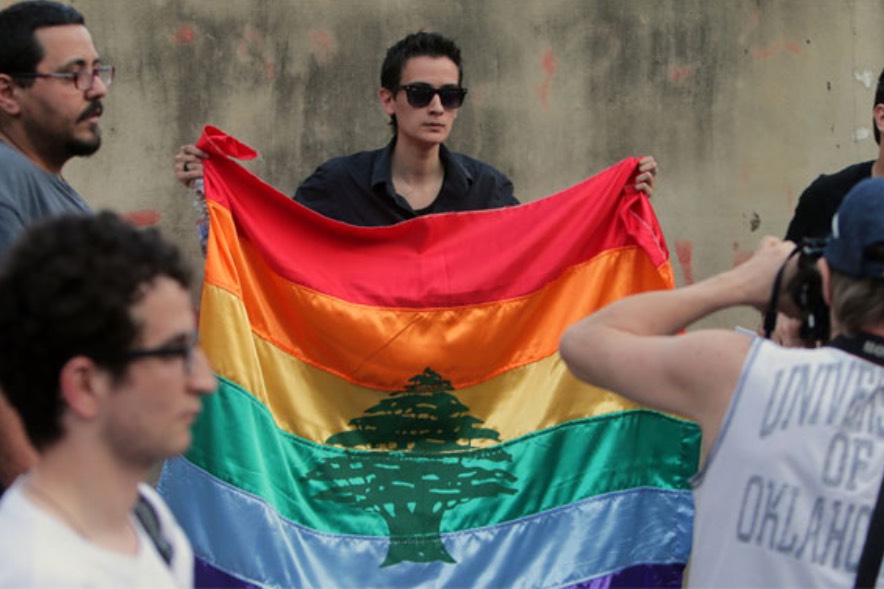
Amid these challenges, Lebanon’s leaders have unified in their stance against the LGBTQ+ community. This crackdown mirrors cultural battles elsewhere, as political and religious figures in Lebanon raise concerns over LGBTQ+ symbols and trends, fearing they might normalize practices perceived as threatening societal norms.
Notably, drag shows, rainbow flags, certain films, and school books have come under fire from politicians, religious leaders, and vigilante groups. A recent incident involved a group called the 'Soldiers of God,' a Christian extremist faction, attacking a Beirut club hosting a drag show, declaring their opposition to homosexuality.
At the governmental level, the response has been equally harsh. The Education Minister reportedly banned a rainbow-decorated Chutes and Ladders game from schools, and Culture Minister Mohammed Murtada attempted to ban the movie ‘Barbie,’ citing its promotion of homosexuality and transgender identities. The General Security Directorate, however, did not comply with the ban, and 'Barbie' will be screened in Lebanon.
Furthermore, there's a push to shut down Helem, Lebanon's first LGBTQ+ rights organization, founded in 2004. The Interior Ministry also limited Pride month events. Such actions suggest that the campaign against the LGBTQ+ community is driven by both political and religious leaders across various sects in Lebanon.
Lebanon does not have laws explicitly banning same-sex acts, but Article 534 of the penal code, prohibiting sexual relations against the "laws of nature," has been interpreted to target homosexual acts. While some judges have argued that consensual same-sex relations do not fall under this law, the article remains contentious.
Recently, a group of legislators, including independent lawmaker Mark Daou, called for its repeal, arguing that groups like Hezbollah are using the LGBTQ+ community as a scapegoat. This proposal faced backlash from religious leaders like Sheikh Sami Abou el-Mouna and Hezbollah's Hassan Nasrallah, who vehemently opposed decriminalizing same-sex acts.
Amidst these developments, many LGBTQ+ individuals are opting for discretion, even in previously liberal areas. This hostile atmosphere is part of a wider regional trend, where actions like Quran burnings in Europe have led to retaliatory burning of rainbow flags. In Iraq, similar narratives are painting the LGBTQ+ community as antithetical to Islamic values, with proposals to harshly penalize same-sex relations.
As Lebanon grapples with its multifaceted crises, the LGBTQ+ community finds itself increasingly targeted, reflecting a broader regional shift in attitudes towards sexual and gender minorities.