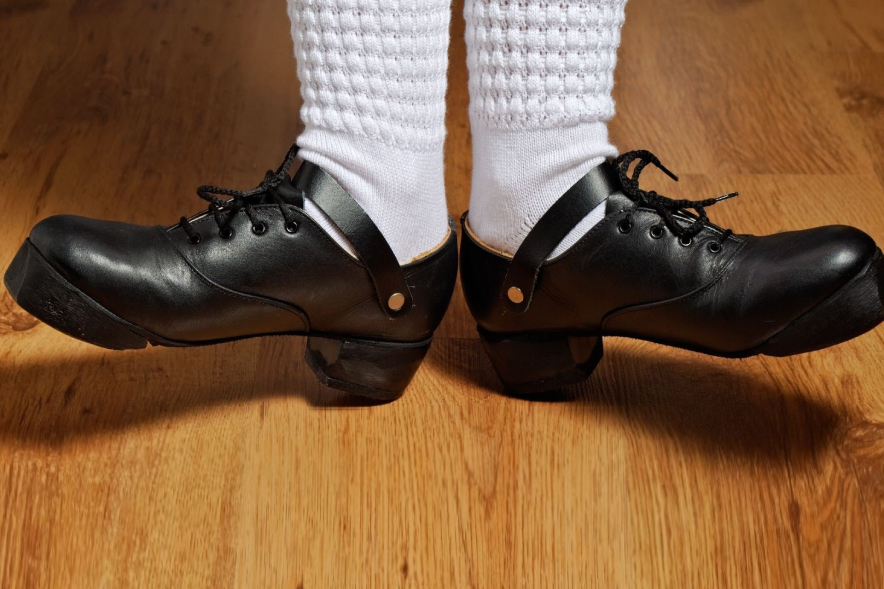
In a powerful response to this hostility, a group of Irish dancers has expressed their strong support for transgender competitors. They emphasized that the Irish dancing commission, An Coimisiún le Rincí Gaelacha (CLRG), has long recognized the right of trans dancers to compete in the category that aligns with their gender identity. The dancers also pointed out that Irish dancing is an art form where gender does not confer any inherent advantage.
Connecticut-based dancer Gabrielle Siegel led a counter-petition, which has garnered over 3,500 signatures, applauding CLRG for its inclusive stance. The petition underscores the multi-faceted nature of Irish dance, where factors such as rhythm, turnout, crossover, and posture are key judging criteria, unaffected by a competitor's assigned birth sex.
The community's statement recognizes the hard work and dedication of transgender dancers, affirming their right to success and condemning any form of harassment or bullying against them. They celebrate Irish dance as a sport that has flourished despite historical discrimination and look forward to a future where all dancers are universally celebrated, regardless of their gender identity.
Siegel, the petition's creator, was motivated to speak up after noticing the criticism directed at trans dancers. She aimed to ensure that the supportive voices within the Irish dance community were heard, stressing that CLRG's policy had been effective for years without issue. It was only when a trans dancer achieved success that controversy arose. Siegel's advocacy highlights the need to support all dancers and dismisses arguments about biological advantages as irrelevant and unfounded in the context of how Irish dance is judged and celebrated.