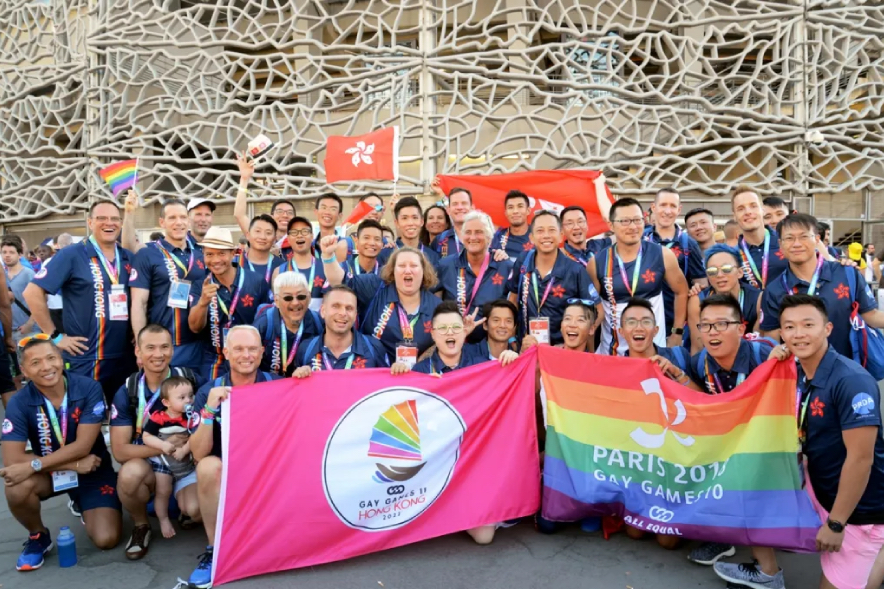
Co-chair of GGHK, Lisa Lam, emphasized the event's dedication to fostering a spirit of participation, inclusion, and personal best in sports, arts, and culture. A notable introduction this year is an all-genders category in various sports, allowing people of all gender identities to compete alongside each other.
The event, co-hosted by the Mexican city of Guadalajara, expects over 2,300 participants from 45 countries. They will engage in various sporting and cultural activities, including dragon boat racing and mahjong. Despite Hong Kong’s lack of legislation against discrimination based on sexual orientation and non-recognition of same-sex marriage, the city's top court recently mandated a two-year deadline for the government to recognize same-sex unions.
The Hong Kong government maintained a cautious stance, not sending officials to the opening ceremony and emphasizing the need for the Games to be conducted lawfully and orderly. This caution follows the imposition of the National Security Law (NSL) by Beijing in 2020, which targets subversion and collusion with foreign forces with severe penalties.
Regina Ip, a pro-establishment figure and convener of the city’s Executive Council, was the only prominent official attending the ceremony. She highlighted the event's significance in demonstrating Hong Kong's commitment to diversity, inclusion, and unity, contradicting calls from anti-LGBTQ lawmakers for her resignation.
Junius Ho, a pro-Beijing lawmaker, criticized the Games, alleging they promote same-sex marriage and violate the NSL. Additionally, five Hong Kong human rights activists demanded the cancellation of the Games, accusing the organizers of aligning with authoritarian figures.
Taiwan, citing security concerns under the NSL, chose not to send athletes to Hong Kong, instead participating in the events in Guadalajara. Despite these hurdles, the opening ceremony was a jubilant affair, with enthusiastic spectators supporting the visibility and rights of queer people in the region, as echoed by participant Gerrit Schulz from Berlin.
The Gay Games in Hong Kong, therefore, stand as a powerful testament to the resilience and solidarity of the LGBTQ+ community in Asia, striving for recognition and equality amidst a complex socio-political landscape.