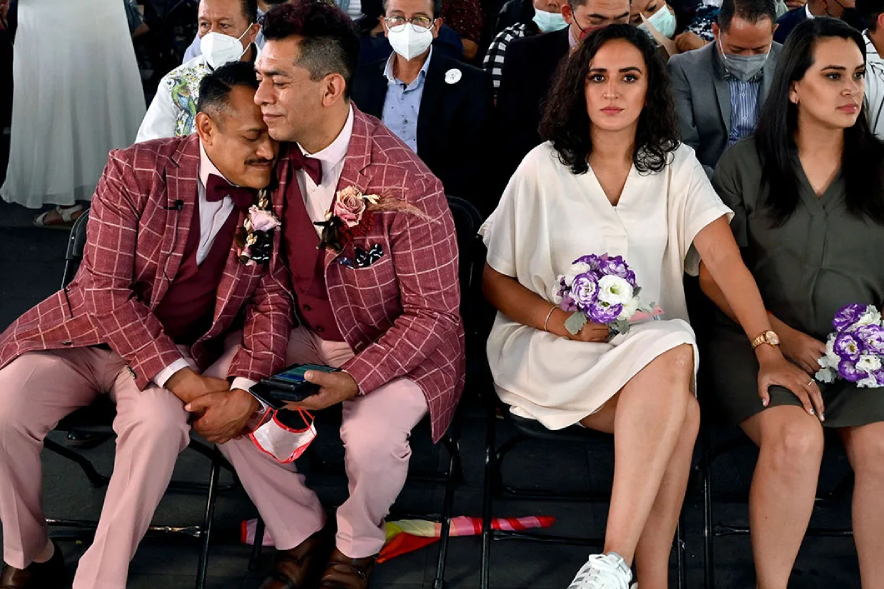
This pioneering initiative to conduct blessing services for same-sex couples was narrowly approved by the Church of England’s governing body, with the decision hinging on a single decisive vote. Despite the Church's longstanding doctrine that marriage is exclusively between a man and a woman, this move marks a significant shift in its approach to same-sex relationships.
The Rt Rev Steven Croft spearheaded the proposal, acknowledging the evolving stance of many bishops within the church on matters of sexuality. He emphasized that while these aren't official weddings, he hopes they will bring joy and affirmation, making attendees feel fully embraced by the church community.
Archbishop of Canterbury Justin Welby and Archbishop of York Stephen Cottrell, who supported the motion, acknowledged in a joint statement the extensive debate and diverse opinions within the church on these critical issues. They recognized the narrow passage of the motion and committed to reflecting on the diverse viewpoints as they move forward.
Similarly, the Bishop of London, Sarah Mullally, commented on the church’s varied perspectives on sexuality and marriage, highlighting the ongoing dialogue within the church.
However, not everyone views this development positively. Jayne Ozanne, a member of the Church of England’s General Synod, pointed out that the church still has a long way to go in overcoming deep-rooted homophobia. She expressed concern that many might perceive the church as hypocritical and unloving.
On the conservative front, Revd Canon John Dunnett, national director of the Church of England’s Evangelical Council, voiced disappointment and concern, foreseeing potential divisions within congregations and strained clergy-bishop relationships.
The timeline for the commencement of these trial services is not definitive, but they could start in the coming weeks, with full-scale implementation possibly taking up to two years. Notably, clergy members won't be mandated to conduct these services; participation will be voluntary.
This announcement follows a recent decision by bishops to vote against formally amending the Church of England’s teachings to permit priests to marry same-sex couples. However, bishops agreed to allow prayers of blessings for same-sex relationships within broader services.
This move by the Church of England represents a significant step towards inclusivity and acceptance of the LGBTQ+ community within its practices and teachings, reflecting a shift in traditional religious perspectives on same-sex relationships.