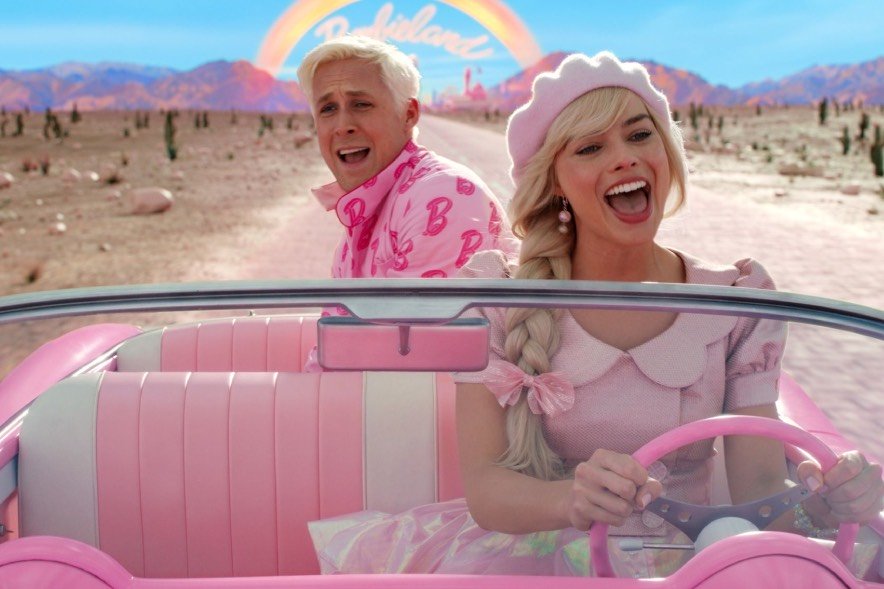
Lebanon's cultural backlash was spearheaded by Mortada, who claimed 'Barbie' undermines family values, including diminishing paternal guardianship, mocking maternal roles, and questioning the necessity of marriage. This stance aligns with the sentiments of Hezbollah, whose leader, Sayyed Hassan Nasrallah, has intensified his anti-LGBT rhetoric, even advocating for the death penalty for homosexual acts. Nasrallah has urged Lebanese authorities to combat what he views as a promotion of homosexuality, including through film bans.
Lebanon's interior minister, Bassam Mawlawi, has referred the movie to the general security's censorship committee for review. While the film, directed by Greta Gerwig and featuring stars Margot Robbie and Ryan Gosling, does not explicitly reference same-sex relationships, it has garnered a significant following among LGBT audiences.
Initially scheduled for release in Lebanon on August 31, 'Barbie' has been embroiled in controversy. In the previous year, Mawlawi banned events perceived to promote "sexual perversion," which was interpreted as targeting LGBT-friendly gatherings. The Lebanese cabinet, following a meeting with Christian cleric Patriarch Bechara Boutros al-Rai, also emphasized the importance of adhering to family values, though without specifically mentioning the LGBT community.
Ayman Mhanna, executive director at the Samir Kassir Foundation, views Mortada's actions as part of a broader campaign against the LGBT community, involving Hezbollah, the Christian far right, and other religious leaders.
Lebanon, once considered a relative safe haven for the LGBT community in the Middle East and the first Arab country to hold a gay pride week in 2017, is now seeing a shift in attitudes. Additionally, 'Barbie' has faced bans in Vietnam over a controversial scene involving a map of the South China Sea, and censorship in the Philippines where the map was blurred. In Pakistan's Punjab province, the film's release was delayed due to "objectionable content."
Simultaneously with the ban on 'Barbie' in Kuwait, the Australian horror film 'Talk To Me,' which features a transsexual actor, was also banned, reflecting a broader trend of content regulation based on social and cultural norms in the region.